

Flexible Packaging for Rice, Spice, and Grain Exports
Exported food covers far more ground than anything sold locally. Humidity, oxygen, pests, rough handling, and long weeks at sea all test the packaging before the product ever reaches the buyer.
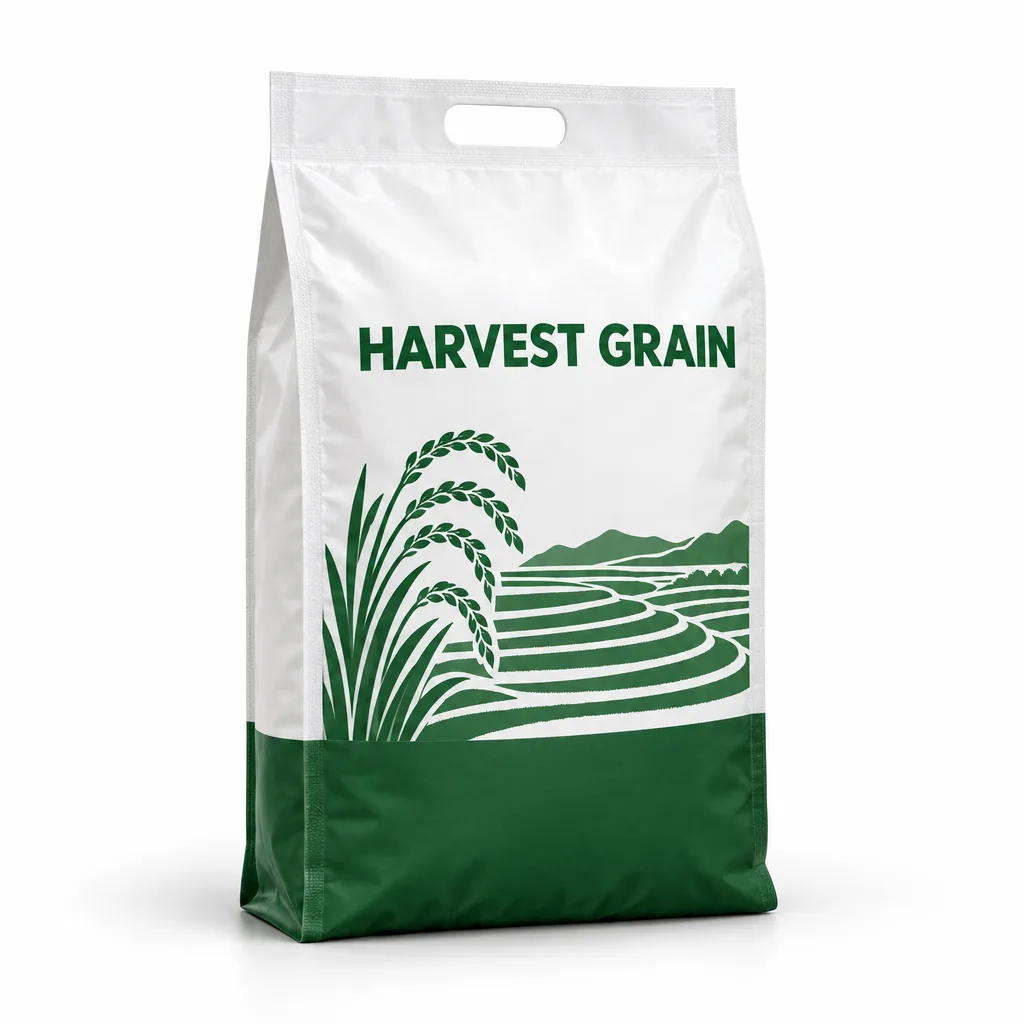
Imagine a shipment arriving with damp rice bags, or spices that have lost half their fragrance before reaching the customer. It happens to exporters more often than most would like to admit, and the cause is almost always the same: the packaging wasn't right for the job.
Exported food travels much farther than product sold close to home. Humidity, oxygen, pests, rough handling, and weeks on the water all work against it before the buyer opens a single bag. So when someone asks what the best flexible packaging is for exporting rice, spices, and grains, the honest answer is that it depends on the product, the shipment size, and the destination. One bag can't cover every order, and at Elevate Packages we say so up front.
What Does Export Packaging Need to Do?
Before you choose a bag or pouch, be clear about what it's guarding against. Solid export packaging should provide:
- Moisture protection, so contents stay dry throughout the trip
- Oxygen and aroma barrier, particularly for products whose scent is part of their value
- Puncture and tear resistance, because loading docks are rough places
- Protection during sea or road transport, where bags are stacked, moved, and shaken for weeks
- Suitable for printing and branding, so the product still looks premium on arrival
Fall short on any one of these and you risk complaints, rejected loads, or a buyer who quietly takes their business elsewhere next season.
Packaging Options for Exporting Rice
Rice export packaging generally comes down to two routes, and which one fits depends mainly on whether you're shipping in bulk or in retail-ready packs. When choosing packaging materials for rice export, shipment size and destination drive the decision.
BOPP laminated bags
BOPP laminated bags are the standard for bulk rice shipments, and for good reason:
- Well suited to 5 to 50 kg bags
- High tensile strength that handles stacking and handling well
- Reliable moisture protection from the multi-layer laminate
- A high-quality surface for brand printing
- A popular choice for premium basmati rice exports where presentation counts
PET/PE or PA/PE Pouches
For smaller, retail-oriented shipments, pouches are a better fit than sacks.
- Ideal for 1 to 5 kg retail rice packs
- Good puncture resistance in a lighter package
- Compatible with vacuum or nitrogen flushing
- Built for shelf-ready product in grocery stores
Packaging Options for Exporting Spices
Spice packaging brings its own challenges. Oxygen and light quickly dull aroma and color, so spice packaging calls for a tighter barrier than most foods.
PET/Aluminum Foil/PE
When aroma is critical, this is the structure to beat.
- The aluminum foil layer delivers a strong oxygen and moisture barrier
- Seals in aroma so the spice smells right on arrival
- Fully blocks light, protecting color and potency
- Best for ground spices, which lose flavor fastest
PET/VMPET/PE
If foil isn't in the budget, this is a sensible middle ground.
- Costs less than a full aluminum foil laminate
- Still provides reasonable light and moisture protection
- Works well for retail spice pouches
- Available in stand-up and zipper styles that customers like to reuse
Packaging Options for Exporting Grains and Pulses
Grains and pulses ship in larger volumes, so the focus moves toward strength and bulk handling rather than shelf appeal.
Woven PP Bags with PE Liners
- Suited to 25 to 50 kg bags
- A tough outer layer that withstands rough handling
- An inner LDPE liner that adds a true moisture barrier
- Made for bulk transport, not retail display
Hermetic In-Container Liners
For very large consignments, hermetic packaging comes into play.
- Built for high-volume, container-level shipments
- Restricts air and moisture exchange within the container
- Particularly valuable on long ocean voyages, where container conditions can shift dramatically
Rice, Spices, or Grains: Matching the Packaging
| Product | Recommended Packaging | Main Protection | Best Format |
|---|---|---|---|
| Bulk Rice | Woven PP + PE liner | Strength + moisture | 20 to 50 kg bag |
| Retail Rice | BOPP / PET / PE | Branding + barrier | 1 to 5 kg pouch/bag |
| Ground Spices | PET / Foil / PE | Aroma + oxygen + light | Stand-up pouch |
| Whole Spices | PET / PE | Product visibility + basic barrier | Pillow/gusset pouch |
| Bulk Grains | Woven PP + PE liner | Tear + moisture protection | 25 to 50 kg sack |
Bulk vs. Retail Export Packaging
Settle this question early, since it influences nearly every packaging choice that follows.
| Factor | Bulk Export | Retail Export |
|---|---|---|
| Typical quantity | 20 to 50 kg | 1 to 5 kg |
| Priority | Strength | Shelf appeal |
| Packaging | Woven sacks/liners | Pouches/bags |
| Printing | Functional branding | High-quality graphics |
| Main concern | Transport protection | Product protection + presentation |
Not sure which applies to your next shipment? Contact Elevate Packages at +1 (415) 985-5597 or hs.enterprises4921@gmail.com, and we'll help you decide based on your actual order size.
Choosing the Right Flexible Packaging for Export
Run through these questions before you order packaging:
- Which product are you shipping?
- How much does each package weigh?
- How long will it spend in transit?
- Is it going by sea, road, or air?
- Does it need moisture protection?
- Does it need an oxygen or aroma barrier?
- Is it bulk or retail packaging?
- What printing and branding does it require?
Answering these up front spares you from learning the hard way, typically once a container is already on the water.
Frequent Export Packaging Failures
Even seasoned exporters run into these:
- Moisture getting inside the pack
- Bags ripping during loading or handling
- Spices losing aroma before they arrive
- Oxygen exposure dulling flavor and color
- Weak seals that let air in over time
- Damage during long-haul transport
- A barrier that simply wasn't up to the journey
Most of these come back to a single cause: a material structure that doesn't match the product or the route. A PET/PE laminate designed for a short domestic run won't survive a six-week ocean crossing, and a bag without an EVOH or foil layer won't hold aroma no matter how good the seal is. Choosing the right layers from the outset prevents most of these issues.
Frequently Asked Questions
What's the best packaging for exporting spices?
PET/aluminum foil/PE offers the strongest protection for aroma, moisture, and light. PET/VMPET/PE is a dependable, lower-cost alternative.
How can rice be protected from moisture during export?
Use a multi-layer laminate with a moisture barrier, such as a woven PP bag with a PE liner.
How does bulk packaging differ from retail export packaging?
Mainly in pack size and in what each needs to protect against.
Why should spice packaging include an aluminum foil barrier?
An aluminum foil barrier fully blocks the oxygen, moisture, and light that strip ground spices of their aroma and color.
What packaging is used for exporting bulk grains?
Woven PP bags with PE liners are the standard, sometimes combined with hermetic liners for long container routes.
Can flexible packaging survive a sea voyage?
Yes, if the structure includes the right barriers. Hermetic or multi-layer laminates can limit air and moisture exchange over extended transit times.
What pack size is most common for retail rice or spice exports?
Pouches in the 1 to 5 kg range are the most common.
Key Takeaways
Choosing packaging materials for rice export, spice packaging, or grain packaging isn't about finding the most attractive option. It's about matching the design to the product, the pack size, and the route it will travel.
Bulk shipments call for durability and moisture resistance above all. Retail packs have to protect the product while still looking good on a store shelf thousands of miles from where they were filled. Spices, by their nature, need a higher level of protection than rice or grains.
Get the match right and you'll see fewer damaged shipments, fewer unhappy buyers, and fewer repeat costs from product that arrived in poor condition. If you're unsure which structure suits your export, Elevate Packages can help you work through it based on your product, volume, and destination. Email hs.enterprises4921@gmail.com or call +1 (415) 985-5597.