

Sustainable Snack Packaging: Choosing Materials That Still Protect
Weighing paper, recyclable film, and compostable options for your snacks? Here's how to cut environmental impact without sacrificing crunch or freshness.
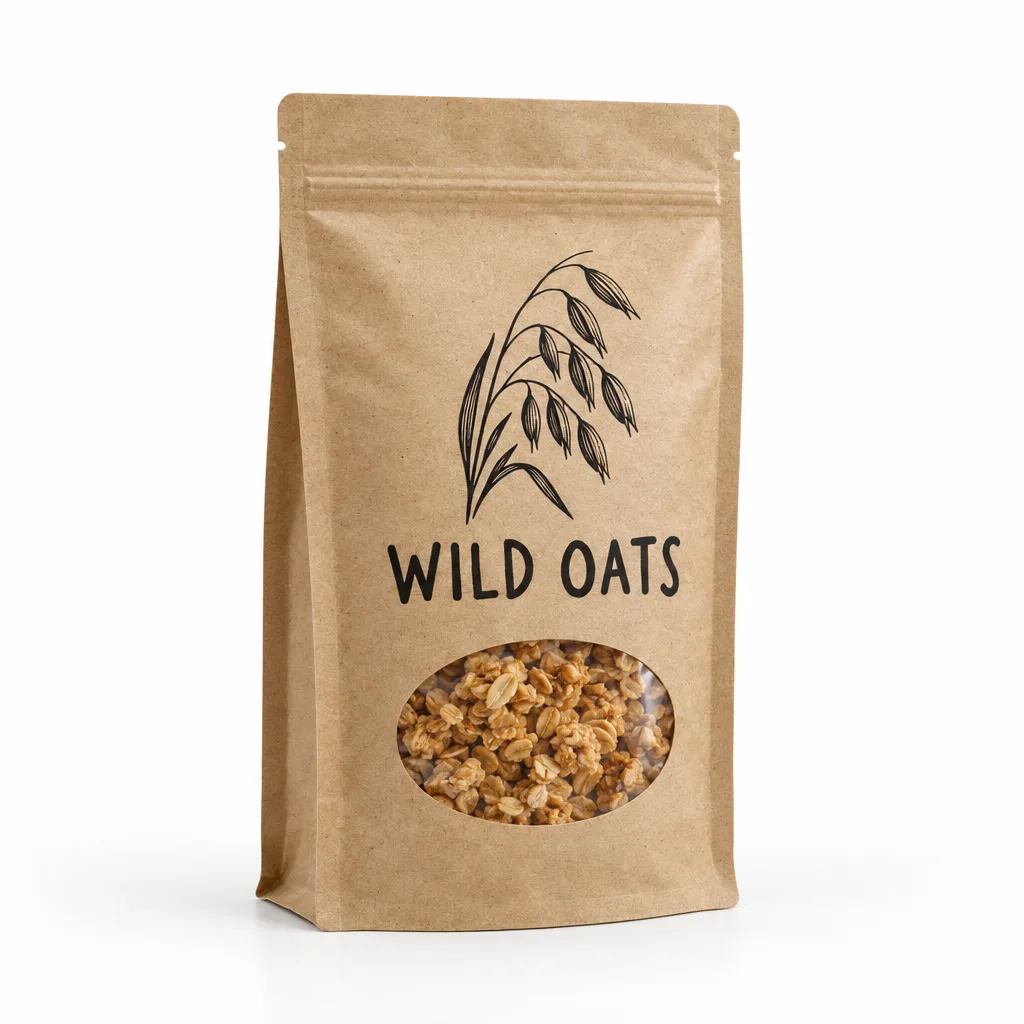
Moving your chips into a paper bag feels like the greener call. Then, a couple of weeks in, the complaints start arriving: the chips have gone limp.
That's the catch with sustainable snack packaging. A pack can tick the environmental boxes and still fail at its main job, which is keeping the snack fresh. The right option protects the product, trims material use, and offers a realistic disposal route for the people actually buying it. Here's how to work through the decision.
What counts as eco-friendly snack packaging?
Broadly, it's packaging built to reduce environmental impact. That might come from what it's made of, how much material it uses, or what becomes of it once the snack has been eaten.
The common routes include:
- Packaging designed to be recycled
- Packaging that contains recycled content, where appropriate
- Paper-based formats
- Packaging certified as compostable
- Lighter packs that use less material overall
No one material is the greenest choice for every snack. Trail mix and oat bars have different requirements. The product's needs and the disposal options available to your customers should drive the decision.
What should you know before comparing materials?
Start by answering four questions about the product itself.
1. What kind of snack is it?
Snacks break down in different ways.
- Chips and crackers lose their crunch when moisture gets in, and their oils can go rancid with too much oxygen.
- Nuts are prone to rancidity, so an oxygen barrier is important.
- Snack bars need moisture protection and packaging that can take some rough handling.
- Dried fruit needs a moisture barrier to keep its texture.
2. How long does it need to last?
Think about how long the pack has to protect the snack. A product sold at a nearby store within three weeks has very different needs from one that sits in a warehouse and then ships across the country.
3. Is it safe for food contact?
Any material that touches food must be suitable for that purpose, which is known as food-contact safety. The FDA notes that food-contact materials have to meet the requirements for their intended use. Request the proper documentation from your supplier, and don't let an attractive quote talk you out of it.
4. How does it affect cost and production?
Review the material price, minimum order quantities, and how well it seals. Confirm it will run on the equipment you already have, too. A promising material that stops your line every hour is no bargain.
Which sustainable materials are used for snacks?
To be honest, every option involves a trade-off. There's no flawless material.
1. Paper and kraft
Paper has a clean, natural look that shoppers respond to, and it suits cartons, boxes, and some bags. On its own, though, it doesn't stop moisture or grease, so oily or moisture-sensitive snacks usually need a barrier coating. Those coatings and laminations can complicate recycling.
2. Recyclable mono-material films
These films are made largely from a single polymer, such as polyethylene (PE) or polypropylene (PP). Being one material, they can fit into specific recycling streams. They're flexible and offer solid moisture protection. Whether they're actually recycled depends on the exact structure and the facilities in your customers' area.
3. Compostable films
Certain compostable films work for certain snacks. Look for genuine compostability certification rather than trusting the word "compostable" on the pack. Many require industrial composting, not a home pile. And the pack still has to do its protective job: a polylactic acid (PLA) material may break down nicely yet fall short on oxygen barrier.
4. Recycled-content packaging
Using recycled content cuts the demand for virgin plastic. If it touches food, though, it must meet food-contact regulations, since contaminants in the material could otherwise migrate into the product.
Comparing paper, plastic, and compostable options
| Feature | Paper-based packaging | Recyclable plastic film | Compostable packaging |
|---|---|---|---|
| Typical formats | Bags, cartons, boxes | Pouches and flexible bags | Films and some pouches |
| Moisture protection | Varies with coating and build | Can be strong | Varies with material and design |
| Recyclability | Depends on coatings and local programs | Depends on polymer and local collection | Often not recyclable |
| Compostability | Not a given | Usually not compostable | Needs proper certification and conditions |
| Key question | Barrier performance | Structure and recycling access | Certification and composting access |
Don't judge a pack by its main material alone. Film, coating, ink, seal, and closure all work together and should be assessed as one system.
How does sustainable packaging keep snacks fresh?
This is the point where sustainability and product quality meet, and three factors carry the most weight.
First, a moisture barrier keeps crunchy snacks crisp and soft snacks from drying out. Barrier performance is measured as oxygen transmission rate (OTR) and water vapor transmission rate (WVTR), and lower numbers mean less oxygen or moisture gets through. Second, seal strength matters just as much, because a weak seal lets air and humidity in no matter how good the film is. Third, think about any extra protection your product needs.
Depending on the snack, that might include blocking light, resisting grease, or surviving impacts in transit.
A paper bag can be fine for some dry snacks. If yours needs an oxygen and moisture barrier, you'll need a different structure. Pick a material that protects the product for its full shelf life, not just one that looks good on display.
Not sure which structure fits your snack? Call Elevate Packages at +1 (415) 985-5597 or email hs.enterprises4921@gmail.com with details about your product, and we'll go through the options with you.
Recyclable vs. biodegradable: what's the difference?
Recyclable packaging is made to be collected and reprocessed into new material, provided collection and recycling infrastructure exists. In the US, that typically means curbside programs or store drop-off points for flexible films, and accepted items differ from city to city, so review How2Recycle guidance and the programs available to your customers.
Biodegradable packaging can break down through biological processes in the right conditions, but the speed and completeness of that breakdown depend on the material and the environment.
Keep these points in mind:
- Biodegradable and compostable aren't the same thing.
- Compostable packs may require specific industrial conditions.
- A compostable label doesn't guarantee local facilities will take it.
Understanding the difference helps you avoid environmental claims you can't support.
How can snack brands cut packaging waste?
Less waste begins with less material. Most brands can start here:
- Drop any packaging layers that aren't needed
- Use the minimum material that still protects the product
- Explore recyclable mono-material structures
- Size packs to match the actual amount of product
- Confirm the pack runs on your existing equipment
- Learn which recycling or composting options are available locally
- Request material specs and certifications from suppliers
A word of caution: reducing material only pays off if the snack stays fresh. A thinner pack that leads to spoiled product generates more waste, not less.
A step-by-step way to choose
Use this sequence to narrow your options.
- Define your snack and how sensitive it is to moisture, oxygen, and light.
- Set your target shelf life.
- Compare paper-based, recyclable, and compostable options.
- Confirm food-contact compliance and collect the supporting documents.
- Test sealing, freshness retention, and machine performance.
- Weigh material cost against the realistic disposal routes.
This works whether you run a factory, a startup, or a purchasing team. Bring these steps to your conversation with Elevate Packages and you'll reach a decision much faster.
FAQs
What's the most eco-friendly packaging for snacks?
The one that protects the snack for its full shelf life while using fewer resources and offering a practical end-of-life route.
Which materials are considered sustainable for food packaging?
Common choices include paper and kraft, recyclable mono-material films such as PE and PP, compostable films, and food-grade recycled content.
Is paper always better than plastic for snacks?
Not necessarily. Paper often needs a barrier coating that can make it hard to recycle, while a well-designed plastic film may protect the product better and still be recyclable.
How do biodegradable and recyclable packaging differ?
Biodegradable packaging breaks down through biological processes, while recyclable packaging is collected and turned into new products.
How does packaging keep snacks fresh?
Through moisture and oxygen barriers and reliable seals, plus light or grease resistance for snacks that need it.
Does compostable packaging work for snacks?
For some snacks, yes, as long as it's properly certified and still provides enough protection.
How can companies reduce packaging waste?
By using less material, choosing recyclable structures, right-sizing packs, and confirming what recycling or composting is available locally.
How should food brands choose packaging materials?
By considering how sensitive the food is, the shelf life needed, food-contact rules, equipment compatibility, and cost.
Final thoughts
The most sustainable pack isn't necessarily the one that looks greenest. It's the one that keeps your snack fresh and food-safe while giving customers a genuine way to dispose of it responsibly.
Begin with what the snack needs. Compare materials on fair terms, trial a few, and ask for documentation. If an option compromises freshness, rule it out.
Ready to explore your options? Reach Elevate Packages at +1 (415) 985-5597 or hs.enterprises4921@gmail.com, and we'll help you find packaging that suits your product.