

Gravure or Flexo? Choosing a Print Method for Your Packaging
A side-by-side look at rotogravure and flexographic printing across cost, run length, substrates, lead time, and print quality, so you can pick the right method for your flexible packaging.
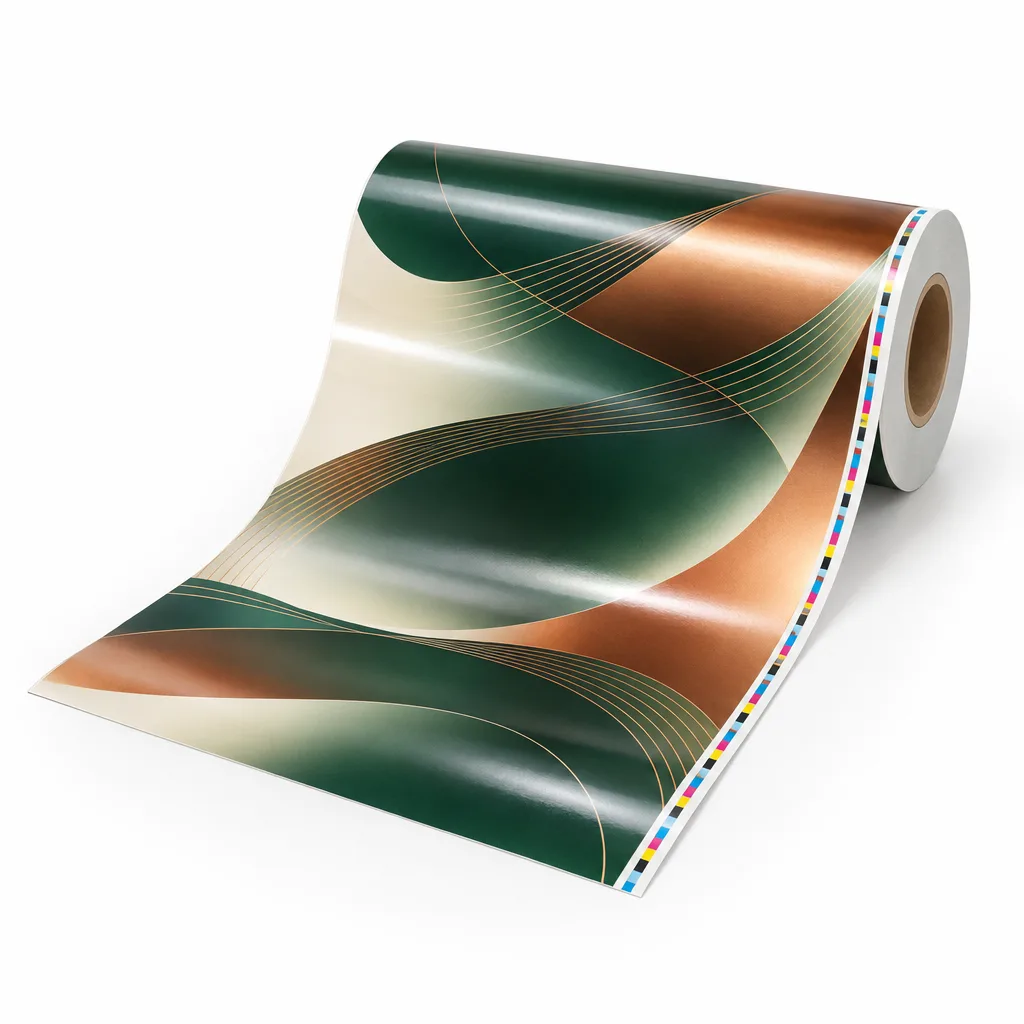
Sooner or later, anyone buying printed flexible packaging has to decide between rotogravure printing and flexographic printing. At Elevate Packages, it's one of the questions we hear most, usually right after "what's this going to cost?" Neither method is universally better, but once you see how each one works, the right choice for your product usually becomes clear.
The quick version: rotogravure printing shines on large, consistent print runs, particularly when you need photographic quality. Flexographic printing is the better fit when you want to keep setup costs down.
The deciding factors are volume, substrate, artwork, and budget. A snack company producing millions of pouches each year has very different priorities from a startup launching three SKUs on limited funds, and that difference is the heart of the decision.
Gravure and Flexo Side by Side
| Factor | Rotogravure | Flexographic |
|---|---|---|
| Printing method | Engraved cylinder | Flexible plate |
| Setup cost | Higher | Lower |
| Best run length | Long runs | Short to medium, and long |
| Print quality | Excellent | High |
| Setup speed | Slower | Faster |
| Substrates | Films, foils | Wider substrate range |
| Design changes | More expensive | Easier |
| Best suited for | High-volume packaging | Flexible, varied production |
How Rotogravure Printing Works
Rotogravure printing is a type of intaglio printing, meaning the image is cut into the printing surface rather than raised above it. Think engraving rather than rubber stamp.
The Process
The artwork is etched into copper cylinders, creating engraved printing cylinders. Ink fills the tiny engraved cells, and as the cylinder turns against the substrate, the ink transfers directly onto it. That's the core of it.
Why that matters:
- The engraving holds extremely fine detail
- Ink held in the cells keeps color consistent from run to run
- Once running, the press stays efficient over long jobs, which is why high-volume brands rely on it
Where Gravure Excels
- Outstanding image reproduction, especially for photos and smooth gradients
- Print quality and color consistency that holds across long runs
- No loss of quality at very high volumes
- A frequent choice for premium packaging that needs to look high-end
- Unit cost drops sharply at large scale
Where Gravure Falls Short
- Engraved cylinders carry a high upfront cost before the first print
- Setup takes longer than flexo
- Short runs rarely make financial sense
- Artwork changes require new engraving, which adds up quickly
How Flexographic Printing Works
Flexographic printing is a form of relief printing. Rather than an engraved cylinder, it uses a raised, flexible plate that applies ink straight onto the substrate.
The Process
Artwork is transferred to photopolymer printing plates, which are mounted on a cylinder. A roller system inks the plates, and they press that ink onto the substrate as it runs through the press.
Where Flexo Excels
- Considerably lower setup cost than gravure
- Plates are produced quickly, shortening lead times
- Comfortably handles short runs and frequent SKU changes
- Strong substrate compatibility across paper, plastic film, and corrugated board
- Artwork updates between runs are cheaper and simpler
Where Flexo Falls Short
- May not reach gravure's finest photographic detail on some jobs
- Results depend heavily on the press, the plates, and how tightly the process is controlled
Comparing the Two Point by Point
Print Quality
Gravure still leads for subtle gradients, photographic imagery, and exact brand color matching. Flexo has narrowed the gap considerably, though, and for solid colors and typical packaging graphics most shoppers can't tell the difference.
Cost
Cylinder pricing is what first puts people off gravure, while flexo plates cost far less. But the lowest setup cost doesn't always mean the lowest total cost. At high enough volume, gravure's cylinder cost is spread so thin that its per-piece price can come in below flexo.
Run Length
For short runs, flexo is the clear pick. Medium runs could go either way depending on budget. At long or very high volumes with stable artwork, gravure starts to win on unit cost.
Lead Time
Gravure cylinder preparation takes significant time, sometimes weeks. Flexo plates and makeready are much quicker, which counts when a launch date is looming.
Substrates
Gravure performs well on films and foils. Flexo covers a broader range, including paper, labels, corrugated board, and many films, which helps explain its presence in so many industries.
Artwork Changes and SKU Variety
Flexo has the advantage here. If you manage many SKUs or refresh designs seasonally, making a new plate is far faster and cheaper than engraving a new cylinder.
Making the Call
Go with rotogravure when:
- Your volumes are truly high
- Your artwork rarely changes
- Photographic print quality is important to your brand
- You need consistent color on every roll
- Your runs are large enough to absorb cylinder costs
Go with flexographic printing when:
- Your artwork changes frequently
- You manage several SKUs
- You need packaging on a short timeline
- Your setup budget is limited
- You need to print on a variety of substrates
Which Method Suits Flexible Packaging?
Both are used widely in flexible packaging. Food packs, snack pouches, pharmaceutical packaging, retail pouches, and labels are printed by gravure or flexo depending on volume and quality expectations.
There's no overall winner. A pharmaceutical company printing high-volume blister foils with stable artwork will likely choose gravure. A retail brand launching seasonal pouch designs across ten SKUs will usually do better with flexo. It all depends on your product and how your production runs.
Unsure which is right for your packaging? Elevate Packages can review your volume, substrate, and artwork requirements and recommend a process. Email hs.enterprises4921@gmail.com or call +1 (415) 985-5597.
Looking at the Full Cost Picture
Beyond the setup quote, consider:
- Initial tooling: gravure cylinders are more expensive than flexo plates
- Setup: flexo gets you to press sooner with less upfront spend
- Production volume: gravure becomes more efficient as volume grows
- Cost per unit: flexo often wins at low to medium volume, gravure can win at very high volume
- Design changes: flexo is less expensive to update mid-cycle
- Long-term ROI: depends on how stable your designs are and how large your runs become
In general, flexo costs less to get started, while gravure can become the more economical option at very high volumes.
Frequently Asked Questions
How do rotogravure and flexographic printing differ?
Rotogravure relies on engraved cylinders and is a type of intaglio printing. Flexo uses raised photopolymer plates and is a type of relief printing. Gravure suits large runs; flexo suits shorter runs and frequent changes.
Which costs less, flexo or gravure?
Flexo is less expensive to set up. At very high volumes, gravure can cost less per unit because cylinder costs are spread across more pieces.
Is rotogravure still in use?
Very much so. It remains a leading choice for high-volume flexible packaging where premium print quality and color consistency matter, such as snack packs and pharmaceutical foils.
What are the drawbacks of rotogravure?
Costly cylinders, longer setup, and expensive artwork changes make it a poor fit for short runs or frequent design updates.
What are the benefits of rotogravure?
Excellent image quality, consistent color, and a low unit cost at scale make it a strong option for premium, high-volume packaging.
Where is flexographic printing heading?
Flexo print quality and press technology continue to improve, and its speed and substrate range keep it in demand as brands launch more SKUs on tighter schedules.
Which method is best for flexible packaging?
Both are widely used. Gravure suits high-volume, stable designs, while flexo suits varied SKUs and shorter runs. The best choice depends on your volume and substrate.
Which method works better for short runs?
Flexo, in nearly every case. Its lower setup cost and quicker plate production make it the practical option for small runs.
Our Take
Put simply, choose rotogravure for high volumes, premium print quality, and artwork that stays the same. If you print millions of units a year and your design doesn't change every few months, gravure typically earns back its setup cost through consistency and a lower unit price at scale.
Choose flexo for flexibility, faster turnaround, lower setup costs, and multiple SKUs. If you launch new designs often, print in smaller batches, or work with a tight budget, flexo gets product to market faster without a large upfront cylinder investment.
Plenty of brands land somewhere between these two ends, and that's perfectly fine. There's no sense paying for a premium process your operation doesn't need.
Still weighing your options? Get in touch with Elevate Packages and we'll help you select a printing process that fits your volumes, substrates, and budget. Call +1 (415) 985-5597 or email hs.enterprises4921@gmail.com.